
How to Plan a Backyard Food Garden: What to Plant, When to Plant & How to Save Seed
Plan around your average frost dates and each crop's days-to-maturity instead of a generic calendar — your USDA hardiness zone tells you about winter cold, not your vegetable planting window. Mix quick crops, high-value fresh crops, storage crops and crops you can preserve, favor shorter-maturity varieties in a short season, use succession planting to spread the harvest, and save seed from open-pollinated varieties you actually want to grow again.
Disclosure: YardCalc may earn a commission from purchases or referrals made through links on this page, at no extra cost to you.
Growing a few tomatoes is one thing. Planning a garden that produces a meaningful amount of food is different. Once the goal shifts from “I'd like some fresh vegetables this summer” to “I'd like this garden to actually contribute to what we eat,” crop selection, timing, storage, succession planting and even seed choice start to matter a lot more.
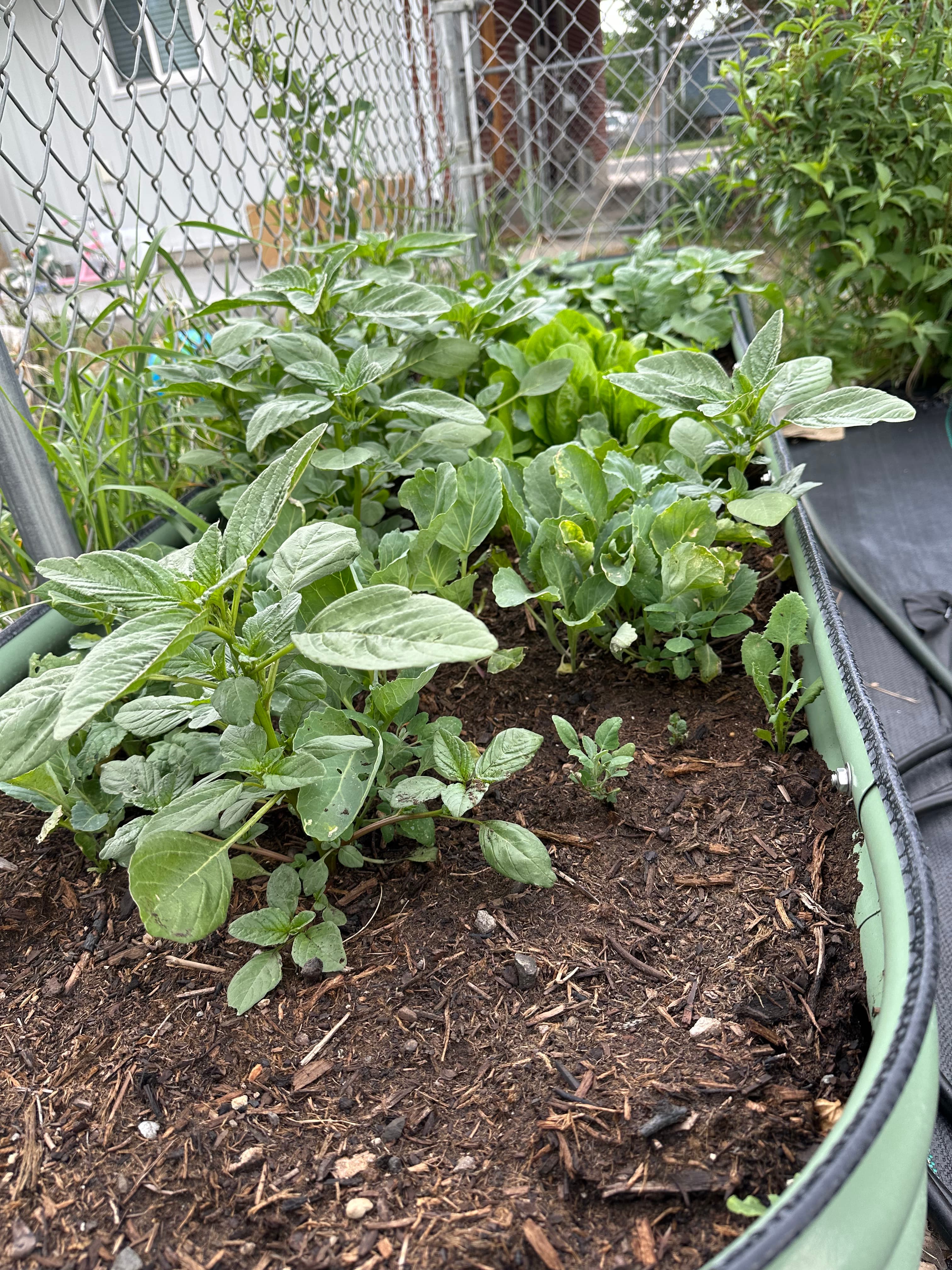
I garden in Cody, Wyoming, where the growing season is short enough that I can't assume every tomato, pumpkin, corn, or squash variety will have time to finish. That has changed the way I look at seed packets. I pay much more attention to cold tolerance, whether something should be started indoors and — especially — days to maturity.
That doesn't mean cold-climate gardeners are limited to lettuce and radishes. It means the garden needs a plan.
A productive backyard food garden should answer five questions before the first seed goes into the ground:
- What will actually grow in my climate?
- Which crops are worth the space they use?
- When does each crop need to be planted?
- What can I eat fresh, store, or preserve?
- Which seeds can I realistically save for next year?
This guide walks through all five, building on our raised garden bed guide and raised bed calculator if you're planning the beds themselves alongside what goes in them.
Start With Your Growing Season, Not a Generic Planting Calendar
One of the easiest gardening mistakes is searching “when should I plant tomatoes?” and treating the first date you find as universal. Planting dates are local. The more useful numbers are:
- Your average last spring freeze
- Your average first fall freeze
- The approximate freeze-free period between them
- Soil temperature
- The crop's tolerance for cold
- The specific variety's days to maturity
University of Wyoming climate data illustrates why this matters. According to the Wyoming State Climate Office's Wyoming Climate Atlas, the average growing season for the state's principal agricultural areas is approximately 125 frost-free days — but growing conditions vary dramatically with elevation, topography and location.
I don't use that 125-day number as a prediction for my own backyard in Cody. It's context. My actual garden has its own microclimate, and every year is different.
That's true everywhere. A low part of a yard can collect cold air while a protected bed beside a south-facing wall stays warmer. A raised bed may warm faster than adjacent ground. One side of a house can behave differently from another. Use actual local frost data as a starting point, then learn your own property.
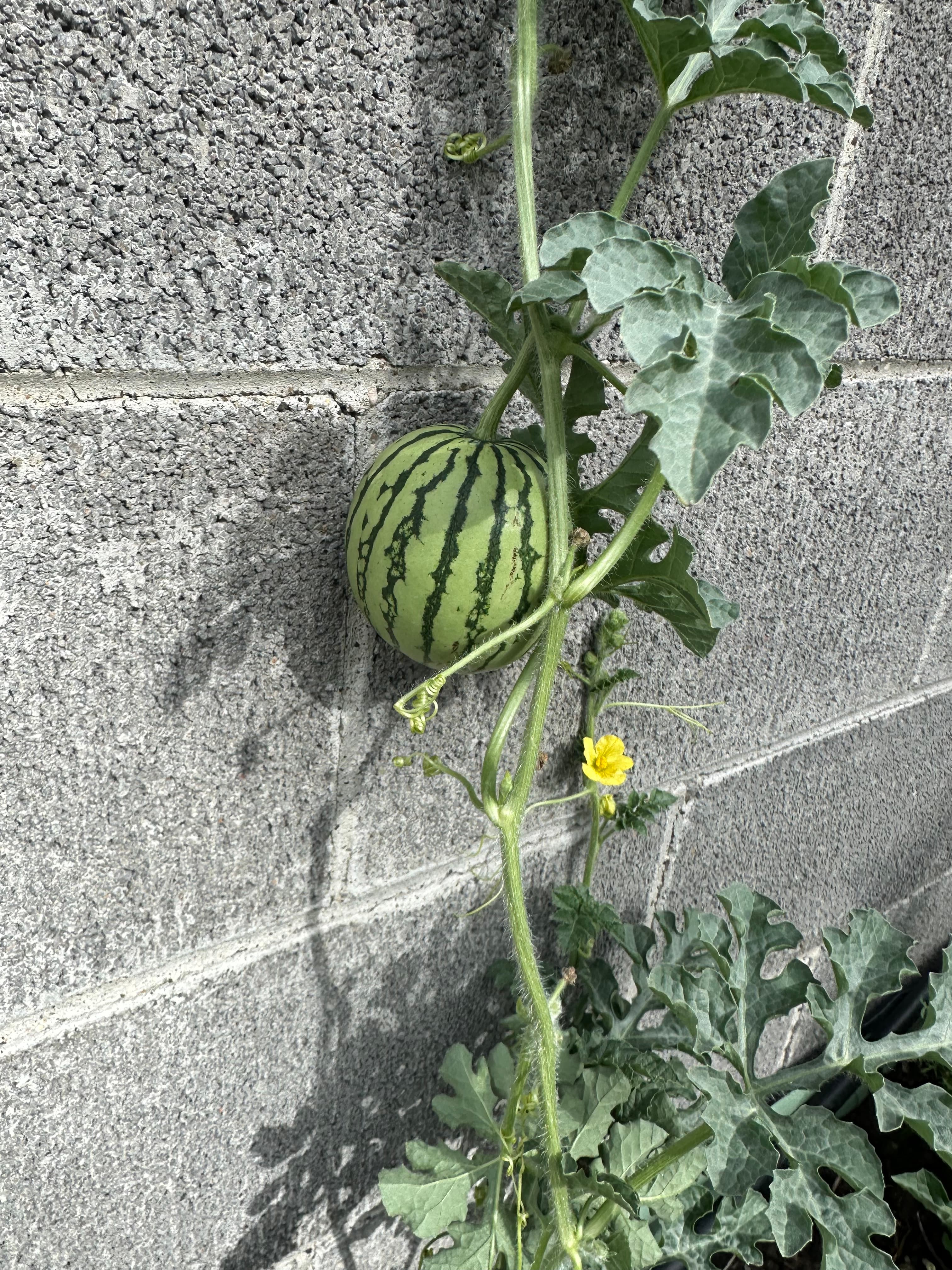
Your USDA Zone Is Not Your Vegetable Planting Calendar
This distinction is worth making because the two are constantly confused. The USDA Agricultural Research Service explains that the Plant Hardiness Zone Map is based on the average annual extreme minimum winter temperature. It's extremely useful when deciding whether a perennial plant can survive your winters. It does not tell you how many frost-free summer days you have or exactly when you should plant tomatoes.
For annual vegetables, I care much more about last spring freeze, first fall freeze, soil temperature, days to maturity, and cold tolerance. Hardiness zone becomes important again when dealing with perennial food crops such as asparagus, rhubarb, perennial herbs, strawberries, fruit trees, and berries.
USDA Zone = How cold does winter usually get?
Frost/Freeze Dates = How long is my annual growing window?
Days to Maturity = Does this particular crop or variety have enough time to finish?
The Number I Look at First: Days to Maturity
For short-season gardeners, the difference between two varieties of the same crop can decide whether it ripens at all. Days to maturity (DTM) is an estimate of how long a crop takes to reach harvest. But there's an important catch. Utah State University Extension notes that DTM may be measured from direct seeding or from transplanting, depending on how the crop is normally grown. That means a tomato listed at 65 days doesn't necessarily mean 65 days from the day you put the seed under a grow light in February or March. Read the packet, and look at the exact variety — USU notes that ripening times within crops such as tomatoes and sweet corn can differ by more than a month between cultivars. That's huge in a short season.
If the expected days to maturity is close to — or longer than — your usable warm-season window, choose a faster variety, start it indoors, use season extension, or choose a different crop.
Build the Garden Around What You Actually Want From It
A food garden doesn't have to serve one purpose. In fact, I think the most useful garden mixes several:
| Garden Goal | Good Crop Types | Why |
|---|---|---|
| Fast food | Radishes, lettuce, spinach, peas, bush beans, summer squash | Relatively quick harvests and room for succession planting |
| Fresh high-value produce | Tomatoes, peppers, cucumbers, herbs, berries | Especially useful fresh and can be expensive to buy frequently |
| Storage | Potatoes, carrots, beets, onions, garlic, winter squash | Extends the usefulness of the garden beyond harvest day |
| Dry/storable staples | Dry beans, some corn, storage onions | Useful if the goal includes pantry storage |
| Preserving | Tomatoes, cucumbers, peppers, beans, herbs | Can be frozen, dried, pickled, or otherwise preserved using appropriate methods |
| Seed saving | Open-pollinated tomatoes, peppers, beans, and peas | Relatively approachable starting crops for home seed saving |
If your goal is a resilience or subsistence-style garden, I wouldn't fill the entire space with lettuce simply because lettuce grows quickly. I also wouldn't fill it entirely with winter squash because it stores well. The useful combination is something to eat soon + something productive through summer + something to store + something you can preserve + something you can grow again from saved seed.
Be realistic too: a normal backyard vegetable garden isn't automatically a complete calorie supply for a household. True subsistence requires much more attention to land area, staple calories, protein, storage and preservation. But a backyard garden can absolutely reduce dependence on purchased produce and build useful growing skills.
Cold-Tolerant vs. Warm-Season Crops
Not every vegetable responds to frost the same way. Utah State University Extension groups vegetables by their relationship to frost rather than fixed calendar dates — a framework that holds up regardless of where you garden:
| Cold-Tolerance Group | General Timing | Examples |
|---|---|---|
| Hardy | Once soil is workable; often well before last frost | Peas, spinach, radish, onions, turnips, broccoli, cabbage |
| Semi-hardy | Often around two weeks before average last frost | Beets, carrots, lettuce, potatoes, Swiss chard, parsnips |
| Tender | Around average last frost once conditions are suitable | Beans, sweet corn, cucumbers, summer squash |
| Very tender | After frost risk, once soil/weather are genuinely warm | Tomatoes, peppers, eggplant, pumpkin, winter squash, melons, watermelon |
These are categories, not promises. Cold tolerance changes with variety, plant age, hardening, soil conditions, wind, and how long the cold lasts. Use the table above to decide which crops belong early and which need patience.
A Frost-Relative Planting Calendar Works Better Than Month Names
Instead of a nationwide calendar, think in terms of timing relative to your own average last spring frost:
- Winter — well before planting: choose crops, select varieties, calculate space, order seed, check days to maturity, and decide what needs to be started indoors.
- Roughly 6–8 weeks before outdoor tomato transplanting: tomatoes are commonly started indoors during this window, per Utah State University Extension. Many other transplants have crop-specific timing — follow the packet and your local Extension guidance.
- When soil becomes workable: begin appropriate hardy crops such as peas, spinach, radishes, and onions.
- Around two weeks before average last frost: many semi-hardy crops can begin, such as carrots, beets, lettuce, potatoes, and Swiss chard.
- Around the last frost: begin tender crops only when actual weather and soil conditions support it.
- After frost danger / warm soil: plant very tender crops such as tomatoes, peppers, pumpkins, winter squash, and melons.
- Early to midsummer: start thinking about succession crops, fall carrots and beets, additional greens, and another sowing of fast crops.
- Late summer / early fall: use the remaining season for cold-tolerant crops where your climate allows.
- End of season: harvest, preserve, save seed, record results, and prepare beds for winter.
Soil Temperature Matters Too
Calendar dates are useful, but soil can tell you more. University of Minnesota Extension treats soil temperature as one of the best planting indicators. Cool-season vegetables such as peas, spinach, lettuce, and radish can be direct seeded when soil is roughly 40–50°F. Warm-season vegetables need warmer soil — generally 50–60°F or more — which is one reason planting tomatoes or peppers during one unusually warm spring week can backfire. Warm afternoons don't necessarily mean the soil is ready or the frost risk is gone.
A simple soil thermometer is useful if you want something more concrete than guessing from the air temperature. A 5-inch stainless-steel soil thermometer is long enough to get an honest reading a few inches down, where seeds and roots actually are, rather than just the surface crust.
Direct Sow or Start Indoors?
Starting everything indoors is unnecessary. Direct sowing everything is also a poor strategy in a short season — the crop determines the method.
| Usually Good Direct-Sow Candidates | Often Useful as Transplants |
|---|---|
| Peas | Tomatoes |
| Beans | Peppers |
| Carrots | Eggplant |
| Beets | Broccoli |
| Radishes | Cabbage |
| Corn | Cauliflower |
| Spinach | Some lettuce plantings |
| Summer squash (often direct seeded in warm soil) | Cucumbers (may benefit from transplanting in very short seasons) |
Root crops such as carrots generally dislike root disturbance and are better direct seeded. Tender long-season plants such as tomatoes and peppers gain valuable outdoor growing time when they're started indoors. Utah State University Extension specifically notes that transplanting tender vegetables can be necessary to fit them into a short growing season at all.
Don't Skip Hardening Off
Indoor plants haven't experienced strong sunlight, wind, large temperature swings, or outdoor moisture changes. University of Minnesota Extension recommends acclimating transplants before planting them permanently outdoors — gradually increasing outdoor exposure over several days instead of moving a tender seedling straight from a controlled indoor environment into an exposed garden bed.
What Grows Well in a Short Season?
Short-season gardening isn't just about choosing “cold-weather vegetables.” It's about matching each crop to the part of the season where it performs best.
| Crop | Short-Season Strategy | Main Advantage |
|---|---|---|
| Radish | Direct sow early; succession sow | Extremely quick crop |
| Spinach | Use cool spring/fall windows | Cold tolerant |
| Lettuce | Spring and fall; succession planting | Repeated harvest opportunities |
| Peas | Plant early | Cool-season production |
| Carrots | Direct sow before summer heat where appropriate | Storage potential |
| Beets | Spring or fall window | Roots + edible greens |
| Potatoes | Choose locally appropriate varieties | Strong storage crop |
| Bush beans | Plant after frost in warm soil | Relatively compact warm-season crop |
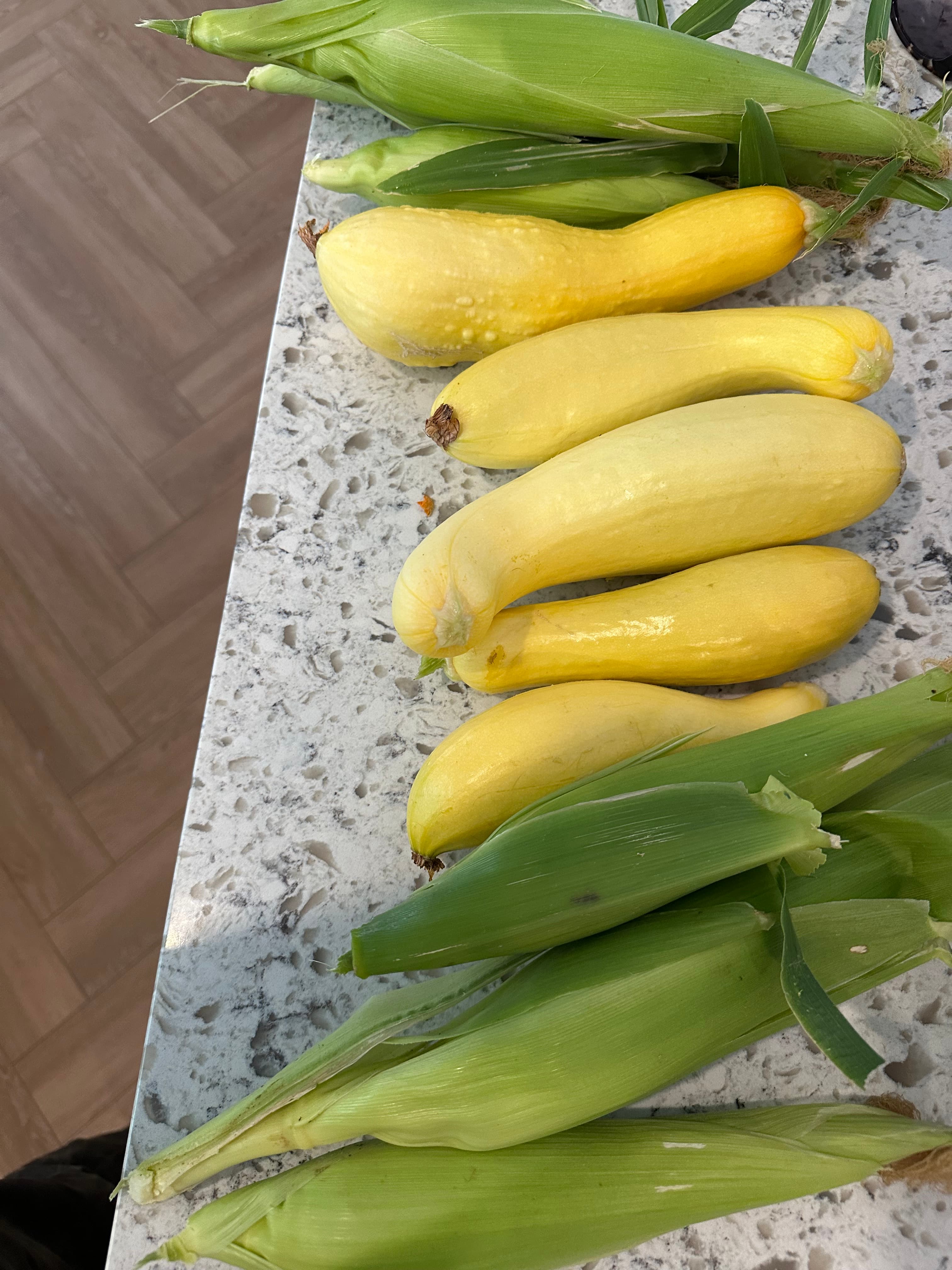
| Zucchini / summer squash | Plant after frost; short-DTM varieties | Fast warm-season production |
| Broccoli / cabbage | Transplant strategically into cool windows | Cold tolerance |
| Tomatoes | Start indoors; choose short-DTM cultivars | High-value fresh/preservation crop |
| Peppers | Start indoors early; protect from cold | Need as much warm season as possible |
| Corn | Choose early-maturing cultivars | DTM matters greatly |
| Winter squash / pumpkins | Choose short-DTM cultivars or use season extension | Storage value but longer season risk |
In my climate, this is why I care about the exact variety rather than just the vegetable name. “Tomato” isn't a maturity date. “Pumpkin” isn't a maturity date. “Sweet corn” isn't a maturity date. For a short-season garden, the cultivar can matter almost as much as the crop. University of Wyoming Extension recommends favoring shorter-maturation varieties in Wyoming's short growing seasons, and that advice travels well to any cold-climate garden.
For a crop-by-crop breakdown of exactly which vegetables tend to work best in a short season — and which ones need the most planning — see our guide to the best vegetables for a short growing season.
My Short-Season Rule: Don't Use Every Day on the Seed Packet
When a packet says a crop needs 90 days and my theoretical frost-free window is only somewhat longer than that, I don't treat the extra days as a comfortable cushion.
Gardens don't grow under laboratory conditions. A cold week can slow growth. Transplant shock costs time. Hail can set plants back. Smoke, heat, drought, wind or an early fall frost can all shorten the useful season. For me, a shorter days-to-maturity option is often worth more than a variety that sounds perfect but barely fits the calendar. That's judgment, not a guaranteed formula — I don't have a precise mathematical safety margin to offer, just a bias toward not planting right up to the edge of the calendar.
You Can Extend the Season Without Building a Greenhouse
You don't necessarily need a heated greenhouse to gain useful growing time. Options include floating row cover, low tunnels, cold frames, cloches, high tunnels, and protected south-facing microclimates. Colorado State University Extension notes that floating row covers can provide meaningful frost protection — depending on the material and grade, some can provide up to roughly 10°F of protection, cut wind on tender plants, and screen out some insects. University of Wyoming Extension also maintains substantial resources on season extension for exactly this reason.
A row cover won't turn January into July. But buying a few degrees during a marginal frost can be enough to protect an early planting or keep a fall crop going. For how that fits into a broader yearly rhythm, see our month-by-month landscaping calendar.
Use Succession Planting Instead of Planting Everything Once
If all your lettuce goes into the ground on one Saturday, a lot of your lettuce may be ready at the same time. Succession planting spreads the harvest. There are two basic approaches: sow the same crop in smaller batches every couple of weeks, or follow one finished crop with another crop that still has time to mature — radish into beans, spring spinach into a summer crop, early peas into a later vegetable, early lettuce into another sowing, or a harvested summer crop into fall greens. University of Minnesota Extension recommends this kind of repeat and follow-on planting to extend the harvest window for crops like lettuce, radishes, and kohlrabi.
This is particularly useful in a small garden because the question becomes “how much food can this bed produce over the entire season?” rather than “how many plants can I cram into it in May?”
Plan for Storage, Not Just Harvest
A garden can produce an impressive pile of vegetables and still fail to make much difference to your household if everything needs to be eaten in the same two weeks. If food resilience is part of the goal, think about what happens after harvest.
| Crop | Typical Use Strategy |
|---|---|
| Tomatoes | Fresh eating, freezing, drying, sauce/preserving using safe methods |
| Peppers | Fresh, freezing, drying |
| Cucumbers | Fresh, pickling |
| Beans | Fresh beans or dried beans depending on variety |
| Potatoes | Storage |
| Carrots / beets | Fresh, storage, preserving |
| Onions / garlic | Curing and storage |
| Winter squash | Storage |
| Herbs | Fresh or drying |
Where preservation is mentioned above, use current research-tested preservation methods rather than guesswork — this article isn't a substitute for canning- or drying-specific safety guidance.
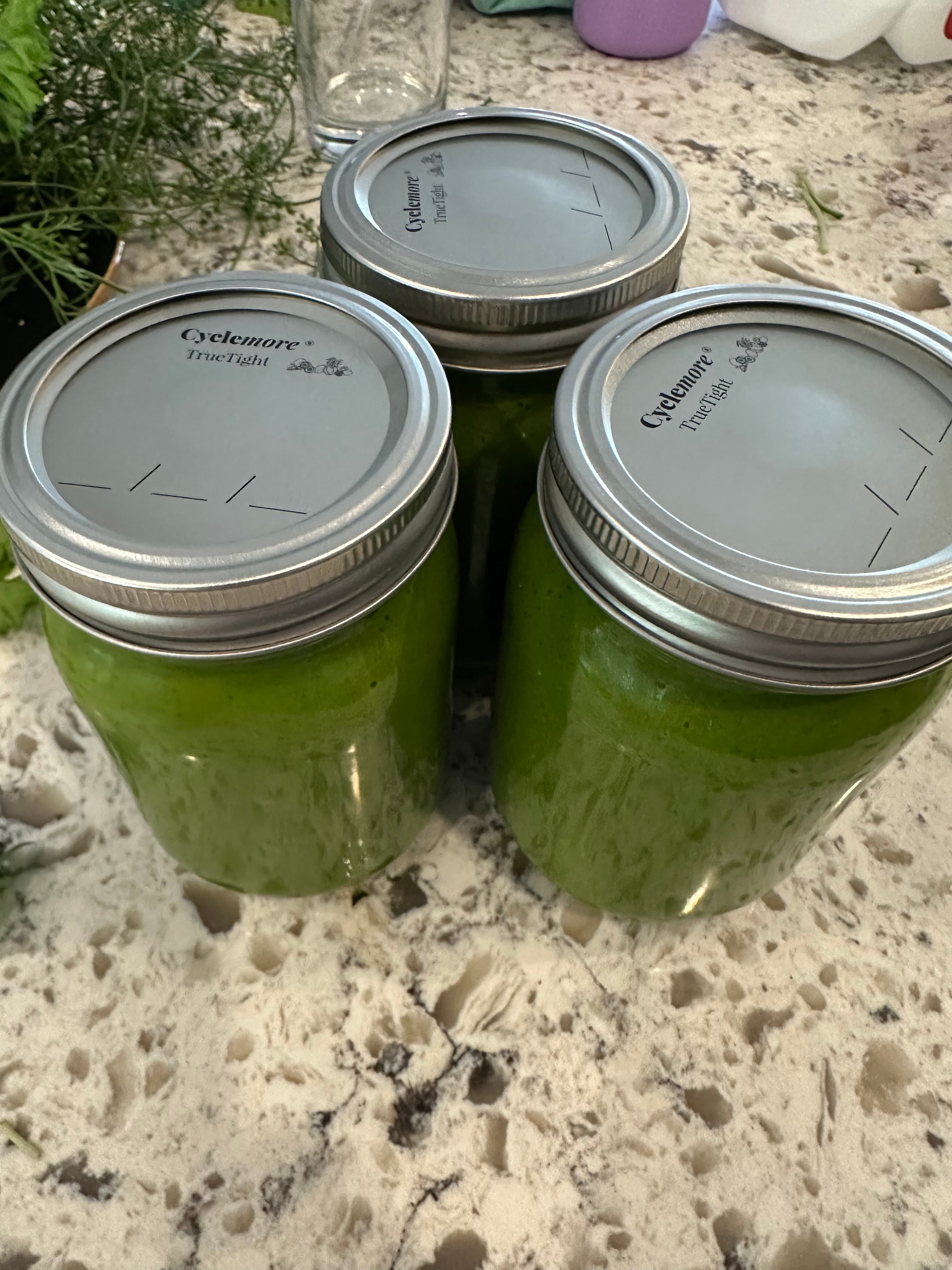
If You Want a Resilience Garden, Grow What You Actually Eat
There's no point filling half the yard with a vegetable nobody in the house wants. A practical food garden should start with your kitchen. Before ordering seed, ask: What vegetables do we buy repeatedly? What produce tastes noticeably better fresh? What can we store? What do we already preserve? What would we realistically learn to preserve? What takes a lot of garden space for relatively little value to us? What fails regularly in our climate? Which crops are dependable here?
This is where gardening becomes personal. The “best” vegetable isn't the same for every family. A crop can be easy to grow and still be a waste of garden space if nobody wants to eat it.
Saving Seed Changes How You Choose Varieties
If part of the goal is producing next year's garden from this year's garden, seed selection matters before you ever plant. The most important distinction is open-pollinated vs. hybrid. University of Minnesota Extension recommends choosing open-pollinated varieties when the goal is saving seed that grows relatively true to the parent.
Open-pollinated doesn't automatically mean old. “Heirloom” is one category of open-pollinated seed, but newer open-pollinated varieties exist too. Hybrid plants can produce viable seed — the issue is predictability. The next generation from a hybrid may combine traits in ways that don't reproduce the plant you liked this year. That doesn't make hybrids bad — they can offer excellent disease resistance, vigor, yield, and uniformity. But if repeatable seed saving is part of your plan, open-pollinated varieties make the process much easier.
The Easiest Vegetables to Start Saving Seed From
| Crop | Seed-Saving Difficulty | Why |
|---|---|---|
| Beans | Easier | Largely self-pollinating; seed is harvested dry |
| Peas | Easier | Largely self-pollinating; seed is harvested dry |
| Tomatoes | Easier | Self-pollinating; seed can be fermented, cleaned, and dried |
| Peppers | Relatively approachable | Seed harvested from fully mature fruit; some crossing is possible |
| Carrots | Harder | Biennial; usually require a second growing season |
| Beets | Harder | Biennial |
| Corn | Harder | Wind pollinated and crosses readily |
| Squash / pumpkins | Harder | Insect pollinated; varieties within compatible species can cross |
| Cucumbers / melons | Harder | Insect pollinated and require isolation/management for reliable seed purity |
Per University of Minnesota Extension, if you've never saved vegetable seed before, beans, peas, and tomatoes are much more forgiving starting points than trying to maintain multiple squash varieties or a pure stand of corn.
Cross-Pollination Usually Shows Up Next Year
This is commonly misunderstood. If two compatible squash varieties cross-pollinate this summer, it generally doesn't transform the fruit you're currently harvesting into some strange hybrid. The genetics matter in the seed. When you plant that crossed seed next year, the resulting plant may produce fruit that's different from either parent. University of Minnesota Extension specifically explains this distinction for cross-pollinated vine crops. It's why saving seed from cucurbits requires more planning than collecting tomato seed.
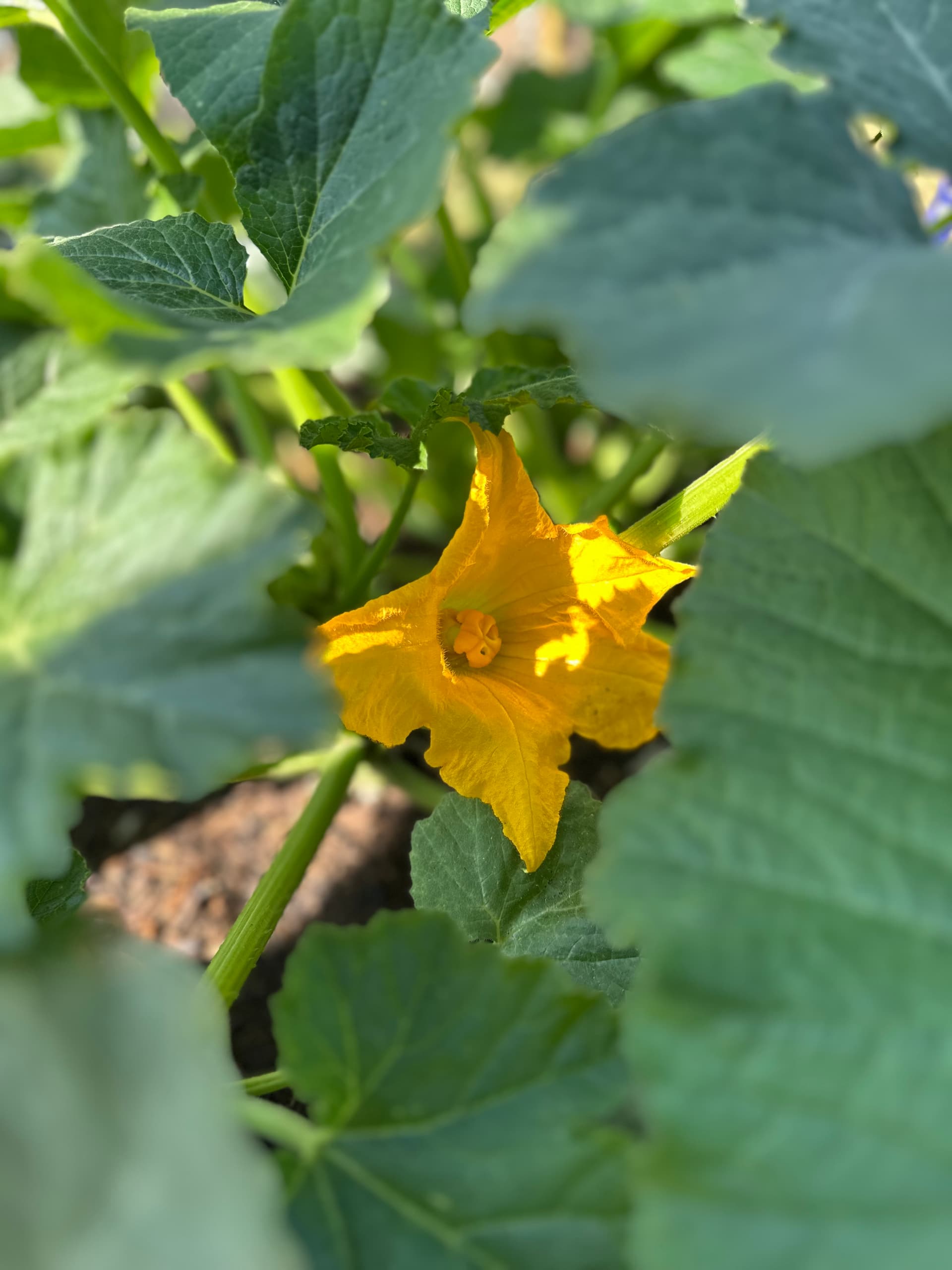
Squash, pumpkins, zucchini, cucumbers, and related plants naturally produce compounds called cucurbitacins. Cultivated varieties normally contain very low concentrations. Occasionally, however, a volunteer plant, unusual genetic cross, or stressed plant can produce fruit with an unexpectedly strong bitter taste. Oregon State University Extension advises against eating extremely bitter squash or zucchini because unusually high cucurbitacin levels can cause gastrointestinal illness. If a cucurbit is intensely and unexpectedly bitter, stop eating it, spit it out, and discard the fruit.
How I Store Seeds for the Next Year
I keep my seeds organized so I know what I actually have before the next ordering season starts. At minimum, every saved seed needs a label with crop, variety, and year collected. If I'm experimenting with different varieties, I also want to know where the seed came from and anything useful I learned about that crop during the season.
University of Minnesota Extension recommends keeping saved seed dry and cool in tightly sealed containers, with a desiccant to help keep moisture down. Viable storage life isn't the same for every species, so don't assume one timeline applies to everything in the drawer.
More than anything, organization prevents me from buying the same thing twice or finding an unidentified envelope two years later and wondering what I was trying to save.
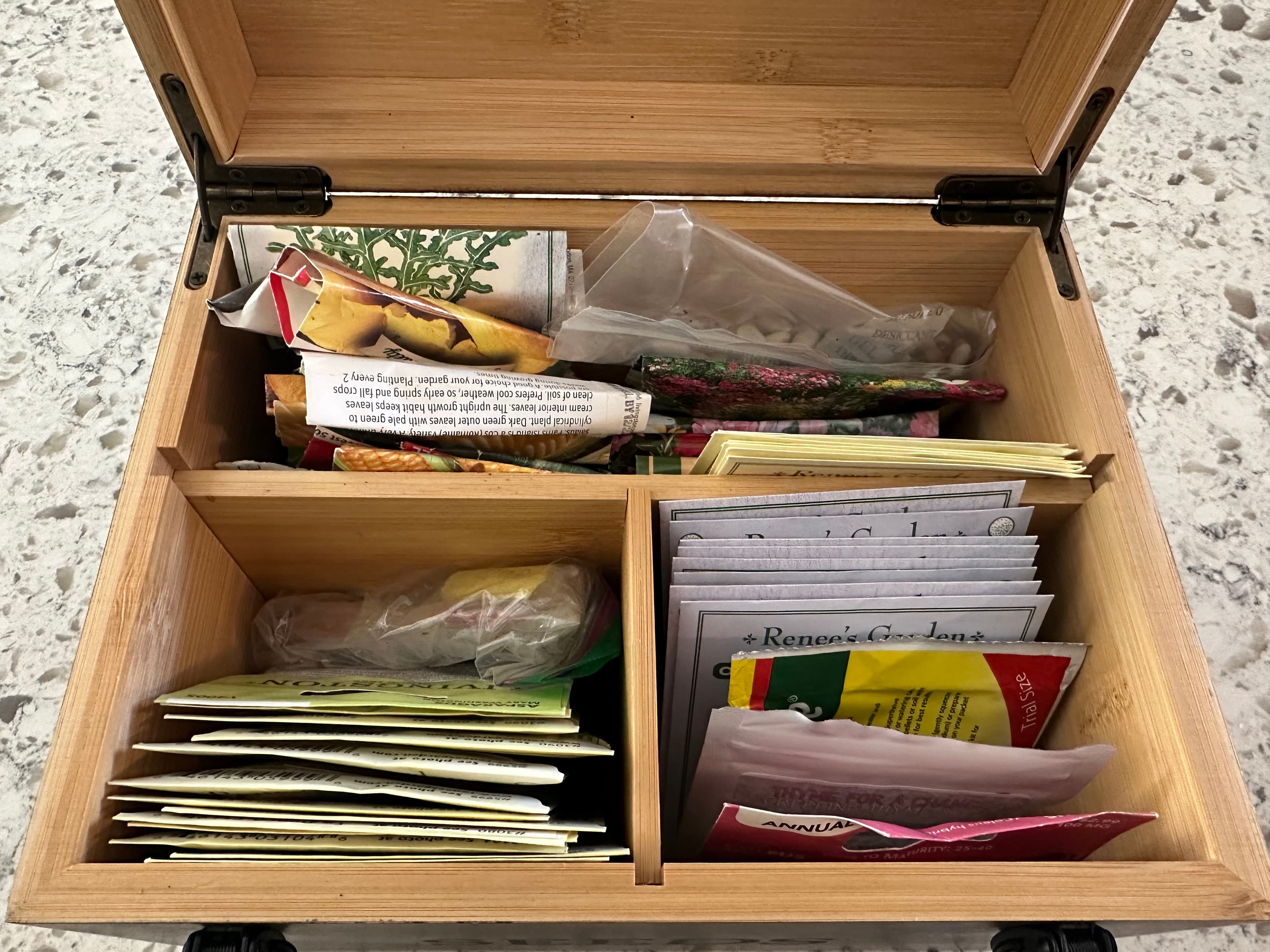
Save Seed From the Plants You Want More Of
Don't save seed indiscriminately just because a plant made fruit. University of Minnesota Extension recommends selecting vigorous, desirable plants for seed saving. Look for traits you actually want again: good flavor, healthy growth, appropriate maturity time, disease tolerance, productivity, fruit quality, and performance in your climate.
In a short-season garden, I'd add one more: did it actually mature reliably before the season ended? Over multiple years, that record becomes useful. You begin learning which varieties actually fit your garden rather than which varieties simply look good in a catalog.
Keep a Garden Record
You don't need sophisticated garden software. A basic spreadsheet, notebook, or notes file is enough. Track crop, variety, seed source, sowing date, transplant date, first harvest, last harvest, days-to-maturity listed on the packet, whether reality matched it, disease problems, pest problems, yield impression, flavor, whether you preserved it, whether you saved seed, and whether you'd grow it again.
Utah State University Extension specifically recommends recordkeeping for larger gardens and tracking actual harvest timing, pest and disease issues, how produce was used, and whether it went unused. This is especially useful in a short growing season — after a few years, your own records become more valuable than a generic nationwide planting calendar.
My Approach in a Short Wyoming Growing Season
I garden in Cody, Wyoming, so I approach a food garden differently than someone with a seven- or eight-month warm growing season. I want some crops that don't care much about cold. I want some that mature quickly. I still want tomatoes, squash, and other warm-season crops, but I pay attention to the variety and don't assume every option has enough time.
I also like the idea of saving more of my own seed over time, which pushes me toward open-pollinated varieties when there isn't a strong reason to choose a hybrid. The goal isn't to prove I can grow everything. It's to build a garden that gets more reliable every year.
A Simple Backyard Food-Garden Planning Framework
1.Define the goal
Fresh food? Storage? Preserving? Seed saving? Greater household food resilience?
2.Find the growing window
Average last freeze → average first freeze.
3.Pick crops that fit
Compare cold tolerance and days to maturity.
4.Choose the right variety
Short-season gardeners should favor cultivars that realistically fit their window.
5.Decide direct sow vs. transplant
Don't start every seed indoors.
6.Plan multiple harvests
Use succession planting where appropriate.
7.Include storage crops
Think beyond August.
8.Choose some open-pollinated varieties
Especially if seed saving matters.
9.Keep records
Learn from your own garden.
10.Save the best seed
Build next year's garden from plants worth repeating.
What I Would Plant First If I Were Starting From Scratch
This shouldn't be read as the only correct garden. If I were building a food garden from scratch, I wouldn't begin with 40 different crops. I'd start with a smaller group that teaches the major parts of gardening:
A cool-season crop
Peas, spinach, lettuce, or radish.
Learn: Early planting and frost tolerance.
A root crop
Carrots, beets, or potatoes.
Learn: Direct sowing, thinning, soil structure, and storage.
A productive warm-season crop
Bush beans or zucchini.
Learn: Warm soil, summer production, and repeated harvest.
Tomatoes
Any reliable short-to-mid-season variety.
Learn: Seed starting, transplanting, supports, longer-season timing, and preservation.
One storage crop
Onions, potatoes, or winter squash, depending on climate and space.
Learn: Curing/storage and planning past harvest day.
An easy seed-saving crop
Beans, peas, or an open-pollinated tomato.
Learn: How the garden can begin supplying part of next year's garden.
Add complexity after you understand your soil, frost pattern, irrigation, and how much produce your household actually uses.
Common Food-Garden Planning Mistakes
| Mistake | Better Approach |
|---|---|
| Using USDA zone as the planting calendar | Use local freeze dates, soil temperature, and crop tolerance |
| Buying a crop without checking the cultivar's DTM | Compare exact varieties |
| Planting warm-season crops after one warm spring week | Wait for appropriate soil/weather conditions |
| Starting every vegetable indoors | Direct sow crops that dislike transplanting |
| Planting the entire seed packet at once | Succession plant appropriate crops |
| Growing only fresh-eating vegetables | Include storage/preservation crops if resilience is the goal |
| Adding too many new crops at once | Learn a manageable core first |
| Saving seed from hybrids and expecting an identical plant | Use open-pollinated varieties when predictability matters |
| Saving seed from diseased plants | Select healthy parent plants |
| Saving squash seed without understanding crossing | Learn the species and isolation needs |
| Eating an unexpectedly extremely bitter squash | Stop eating it and discard it |
| Keeping no records | Track variety, dates, and results |
Frequently Asked Questions
- What vegetables are best for a short growing season?
- Cold-tolerant and fast-maturing crops such as peas, radishes, spinach, lettuce, carrots, beets and many brassicas fit short seasons well. Warm-season crops can also work, but choose faster-maturing cultivars and use transplants or season-extension techniques when necessary.
- Should I use my USDA hardiness zone to decide when to plant vegetables?
- Not by itself. USDA hardiness zones describe average extreme winter cold and are most useful for perennial plants. For annual vegetables, average freeze dates, soil temperature, crop cold tolerance and days-to-maturity are more useful planting tools.
- What does days to maturity mean on a seed packet?
- It is an estimate of how long a crop takes to reach harvest, but the starting point may be direct sowing or transplanting depending on the crop. Check the packet and the specific cultivar rather than treating DTM as a universal countdown from the day you start seed indoors.
- What vegetables are easiest to save seed from?
- Tomatoes, beans, peas and peppers are relatively approachable starting crops. University of Minnesota Extension recommends open-pollinated varieties when the goal is producing seed that grows similarly to the parent.
- Can I save seeds from hybrid vegetables?
- Yes, hybrids can produce viable seed. The issue is that the next generation may not reproduce the same characteristics as the hybrid parent. Open-pollinated varieties are more predictable for ongoing home seed saving.
- Will squash cross-pollination change the squash I'm eating this year?
- Usually no. Cross-pollination affects the genetics inside the seed. The difference generally appears when that seed is planted and produces the next generation.
- Is bitter zucchini or squash safe to eat?
- An unusually and intensely bitter cucurbit should not be eaten. Oregon State Extension warns that extreme bitterness can indicate high levels of cucurbitacins, which can cause gastrointestinal illness. Stop eating the fruit and discard it.
- Should I start all vegetable seeds indoors?
- No. Many root crops and other vegetables are better direct seeded. Indoor seed starting is particularly useful for long-season tender crops such as tomatoes and peppers and for extending the usable season in cold climates.
- How can I extend a short growing season?
- Options include starting transplants indoors, choosing shorter-maturity varieties and using row covers, low tunnels, cold frames or high tunnels. The best approach depends on the crop and how much additional protection you need.
- What should I grow in a food-resilience garden?
- Think in categories rather than searching for one perfect crop: quick crops, productive summer crops, storage crops, crops you can preserve, and varieties from which you can realistically save seed. The best mix also depends on what your household actually eats.
The Goal Is a Garden That Gets Better Every Year
A productive food garden isn't built by finding one perfect planting calendar. It gets better as you learn your property. You learn which corner warms first in spring. You learn which varieties actually finish before fall. You learn how much zucchini your household can tolerate. You learn which tomatoes are worth starting indoors. You learn what stores well, what you actually preserve, and what never gets eaten. And eventually, you can begin saving seed from the plants that performed well enough to earn another year in the garden.
For me, that's one of the most interesting parts of growing food in a short-season climate. The goal isn't to force every crop to grow here. It's to build a system that works here.
Related Calculators & Guides
- Raised Bed Calculator — soil volume for any bed dimensions
- Raised Garden Bed Guide — sizing, materials, soil mix, and what to plant
- Drip Irrigation for Raised Beds, Gardens, and Flower Beds — watering zones for a working food garden
- Drip Irrigation Calculator — tubing, emitters, and zone sizing
- Topsoil vs. Compost vs. Garden Soil — what to fill or amend beds with
- How to Prepare Garden Beds for Winter — closing out the season you just planned
- Month-by-Month Landscaping Calendar — where garden planning fits into the rest of the yard
Ready to run the numbers?
Planning your garden layout? Calculate how much soil you'll need before building or filling a raised bed.
Calculate My Raised Bed Soil